Edmund Shchebalsky’s Report on the Round Trip – the Adventures of Car-Mountaineers in Turkey
Translated from Russian Read the original →
5 things that impressed me in Turkey
1. Water and how it is used
A lot of water.
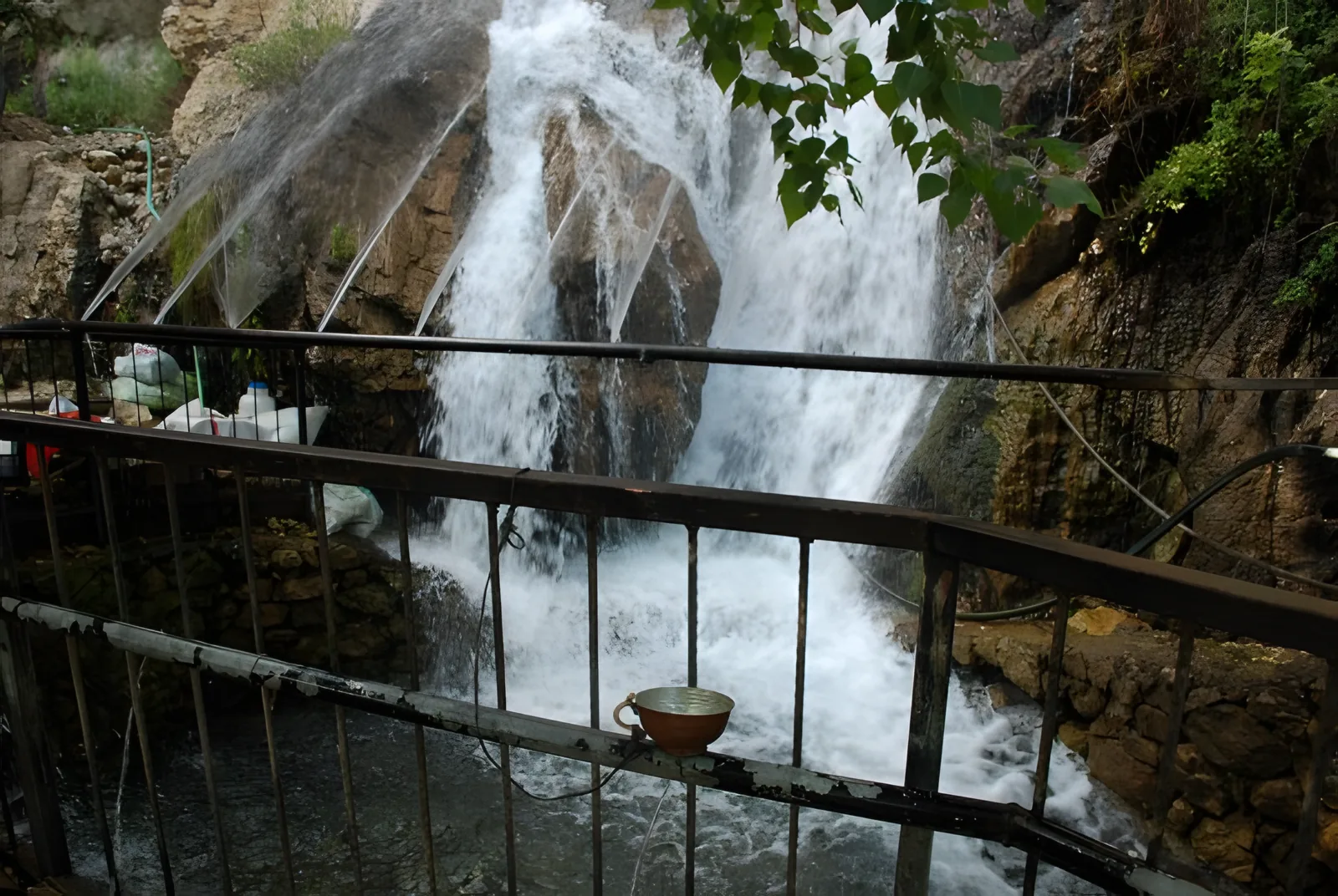
It flows from everywhere – from mountains, hills, pipes, hoses, taps. Rivers, lakes, waterfalls, streams and springs delight the eye with their variety and fill you with strength in the heat. It is hard to die of thirst: at every step there is a spring or an irrigation system. Nobody economises on water, nobody turns the taps off behind them. From evening till morning the irrigation systems for fields, greenhouses, lawns, flowerbeds and parks are working.
On the roads, every 10-20 km, there is a beautifully made drinking fountain with spring water. Sometimes at the roadside there are car-washing stands that look like the water cranes used to refuel steam locomotives. Water pours from these pipes without stopping. A mass of fountains, even ones crudely made by the locals of some backwoods village out of an ordinary metal pipe with a couple of holes.
The ubiquitous Tea.
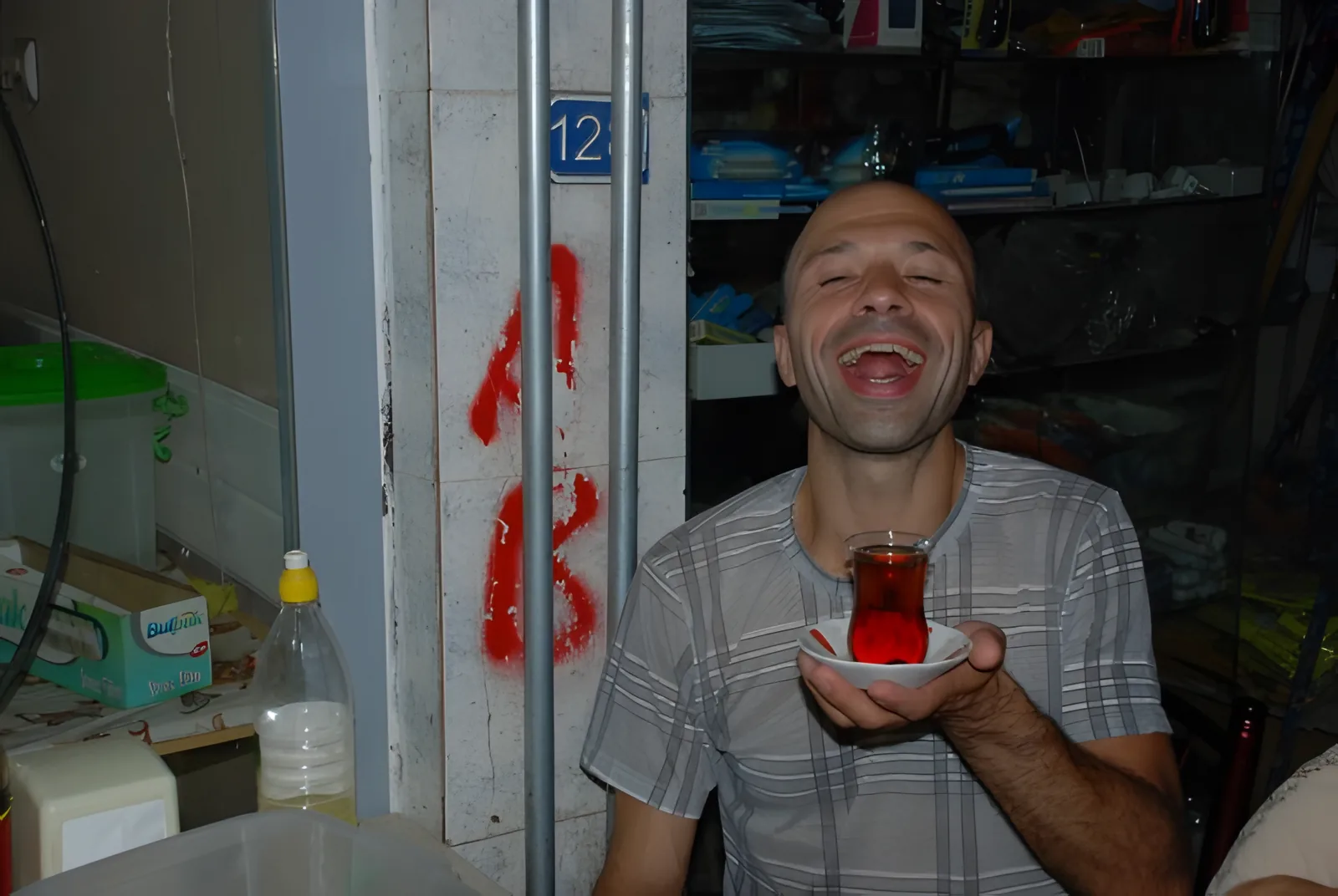
It is drunk from thin-walled glass cups that look like small goblets. Sugar plus boiled sweets to bite on. They don’t take in the word “tea”, they respond to “chai”. It is made on stoves and on little pot-bellied stoves with two teapots built in: the lower one for boiling water and the upper one for the brew.
With coffee, on the contrary, it is difficult. There are no cafés, and the word “coffee” is absent from the vocabulary. In big cities they know “Turkish kahvesi” and take a very long time to prepare a rather vile-tasting drink in a quantity of 50 ml – but, as is proper with Turkish coffee, they serve it with a glass of ice-cold water 🙂
Water hygiene
There is no paper in the toilets – but a tap is provided and under it stands a little jug for washing. Drying yourself with a napkin is not envisaged – the moisture will be absorbed by the skin! In hotels and at some petrol stations there are toilet bowls with nozzles built into them that supply water for washing, like a bidet. A sort of 2-in-1 option.
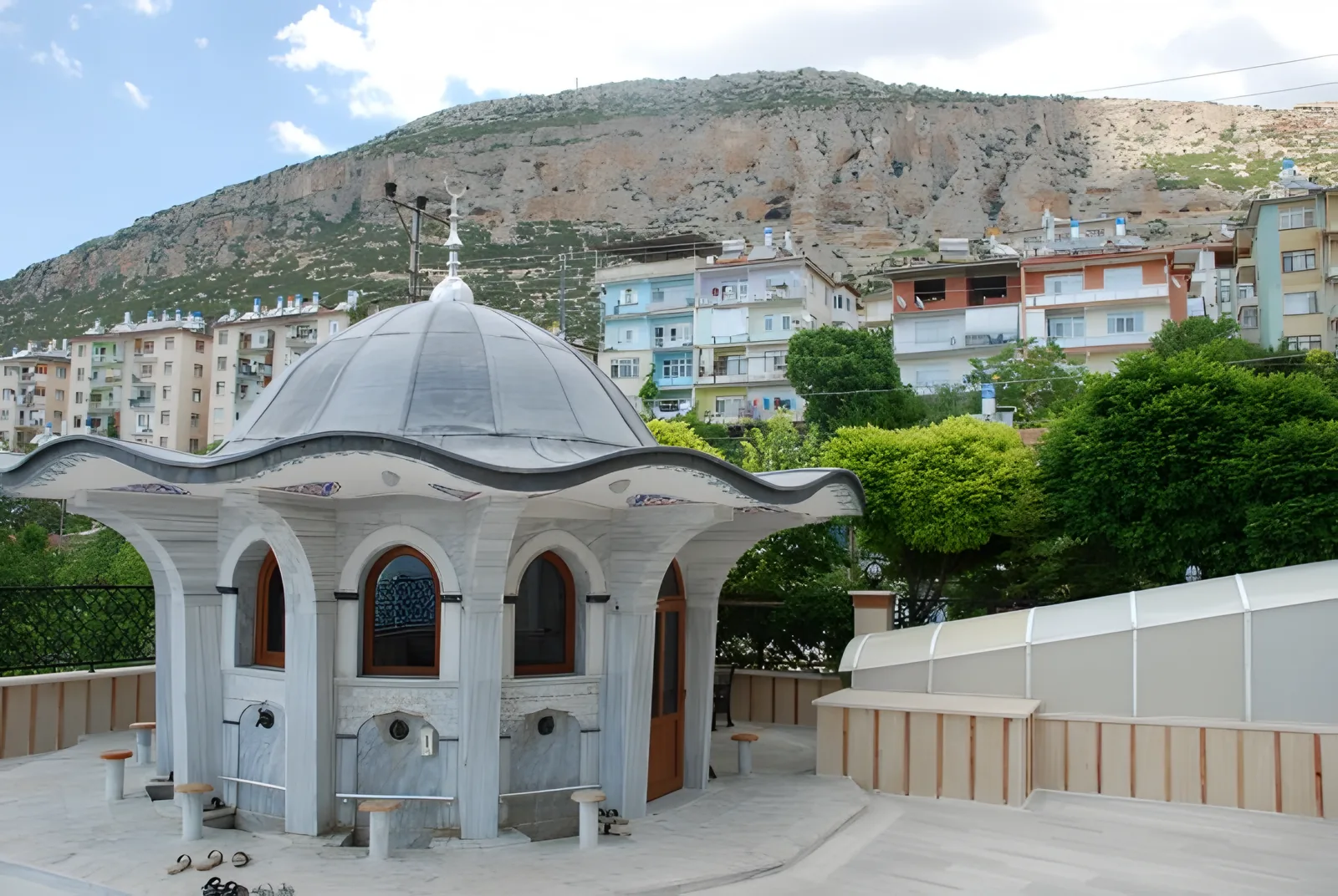
In front of every mosque there are taps for washing the feet. The water in them is drinkable. At any moment you can walk into any shop, little restaurant or house and ask to use the toilet. They don’t understand “WC”, they respond to “tuvaleti”. There is no shower as such; the word “shower” denotes the process of bathing in a body of water – a swimming pool, a river, a lake, the sea.
Seas
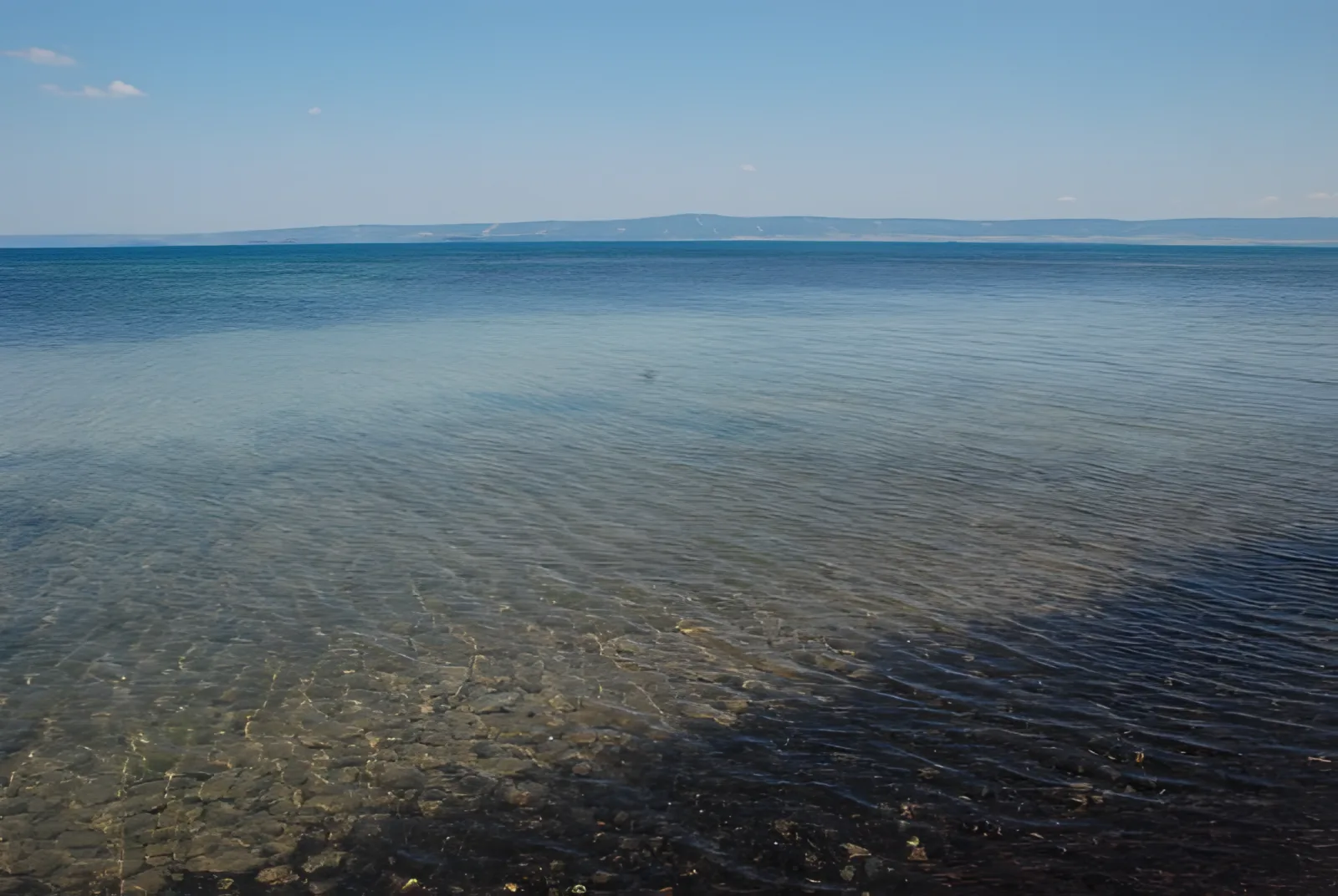
There are many of them and they are all shallow, that is, it is unrealistic to jump into the water. The Turks don’t swim, they only splash about – such seas suit them. Or the seas form a culture in which there is no need to swim.
The Mediterranean is for Russian tourists. It is very warm and disgustingly bitter, so oversaturated with salt that it eats at the eyes and the skin. The Turks have tried to make the coastline garish and colourful and have stuffed it with cheap attributes of pop culture. It looks like a zoo or a film set.
The Black Sea is for their own people. It is a comfortable temperature and looks dirty in comparison with the others, but the water is like water, you can dive with your eyes open. There is less show here, more love of health and relaxation in landscaped park zones. There are running tracks and exercise machines all along the coast.
The Aegean is for Europe. Clean and cool, it recalls Greece, France, Spain. Small villages, wild beaches, untouched nature.
The Marmara is for shipping and fishing. An industrial zone, villages and little towns jostle, roads twist into bundles. Crowded, noisy, dirty. The water is not poisonous, but there are many sea urchins and starfish.
There are also lake-seas: Van – salty-bitter, in which we swam, and Tuz, Beyşehir, Eğirdir, Burdur, Acıgöl, where we didn’t go.
2. Hospitality
Generosity
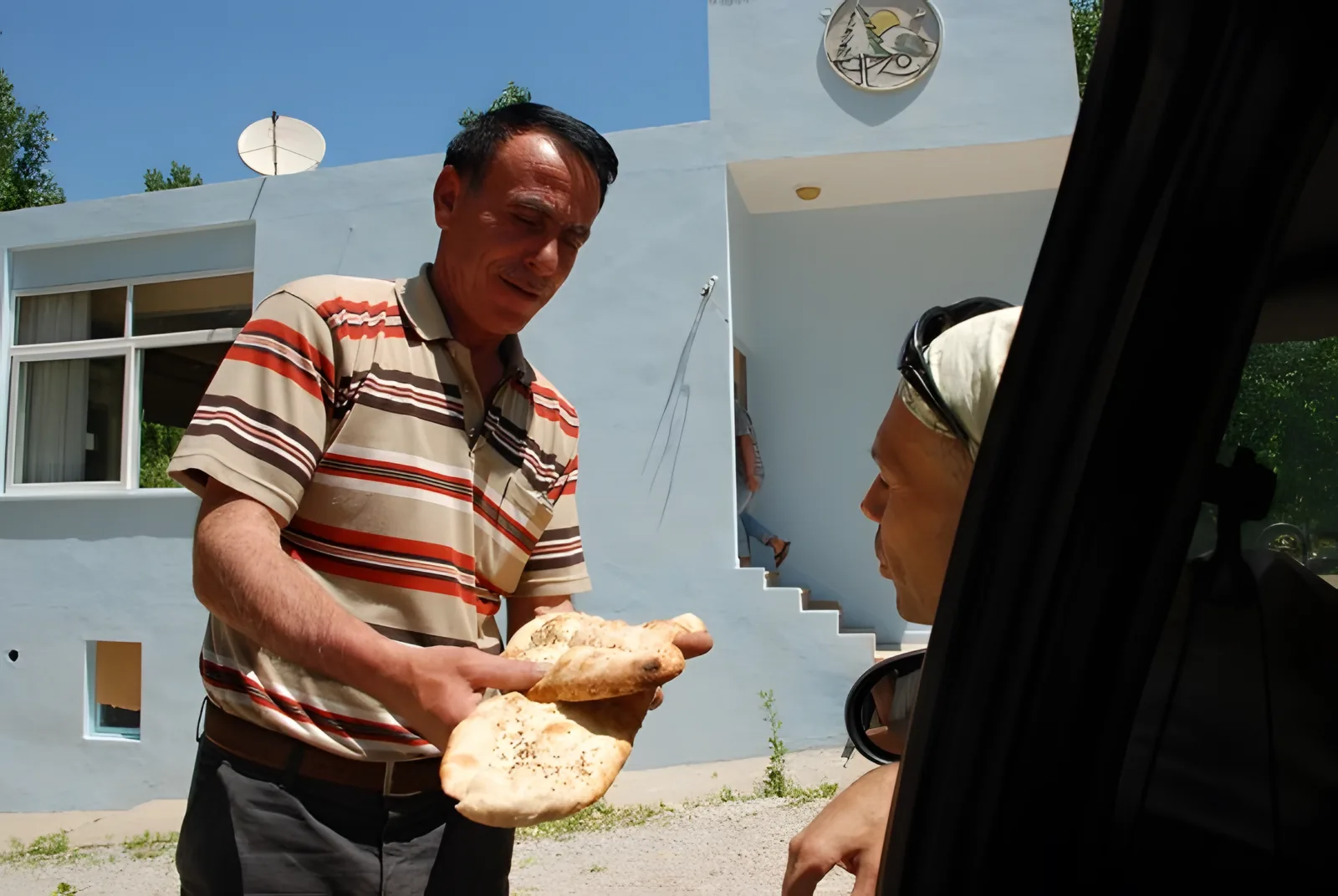
They treat you to tea – everywhere and in any quantity: in the street, in cafés, at petrol stations, in shops, in markets. Regardless of whether we are buying anything or not. The same with olives, cold spring water, bread and spices.
We ordered shurpa (a kind of soup) – and they brought us a bucket of bread, two jugs of lemonade and a tray of salad. Tea, too, is not included in the price of an order. In another place we asked for a little plate of honey in the comb – and they gave us homemade butter and again set down a bucket of bread.
At every petrol station the children were given now muffins and chocolates, now a bottle of Fanta.
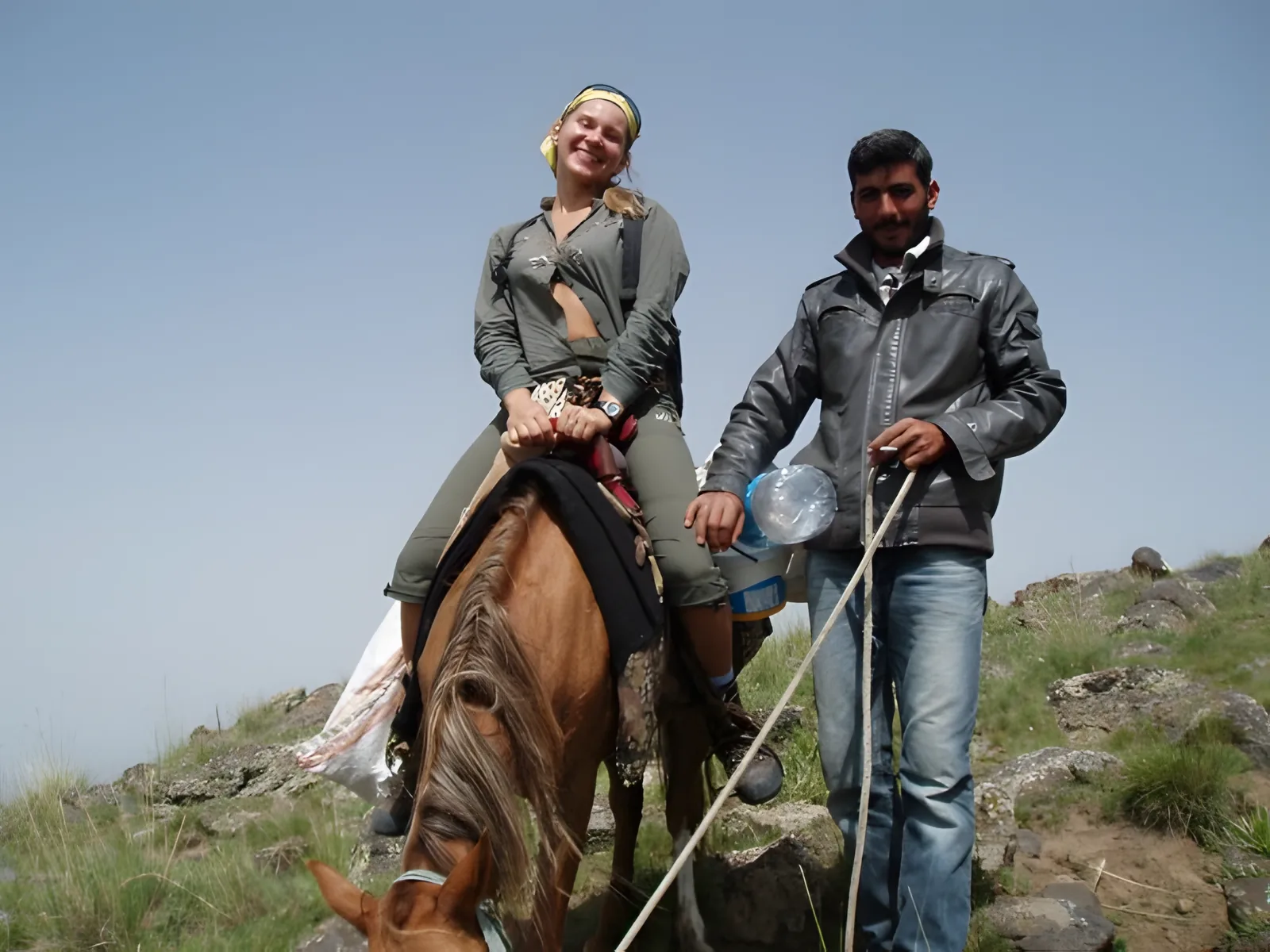
While we were climbing Ararat, the rest of our group was received as guests in the guide’s family, fed and entertained. After the climb a picnic was organised for us, with a barbecue and vegetables and fruit.
At the first camp, at an altitude of 3200 m, we were invited to supper so that we wouldn’t have to fuss with cooking. We could always cook in their tent on their gas cylinder, which saved our resources.
Friendliness
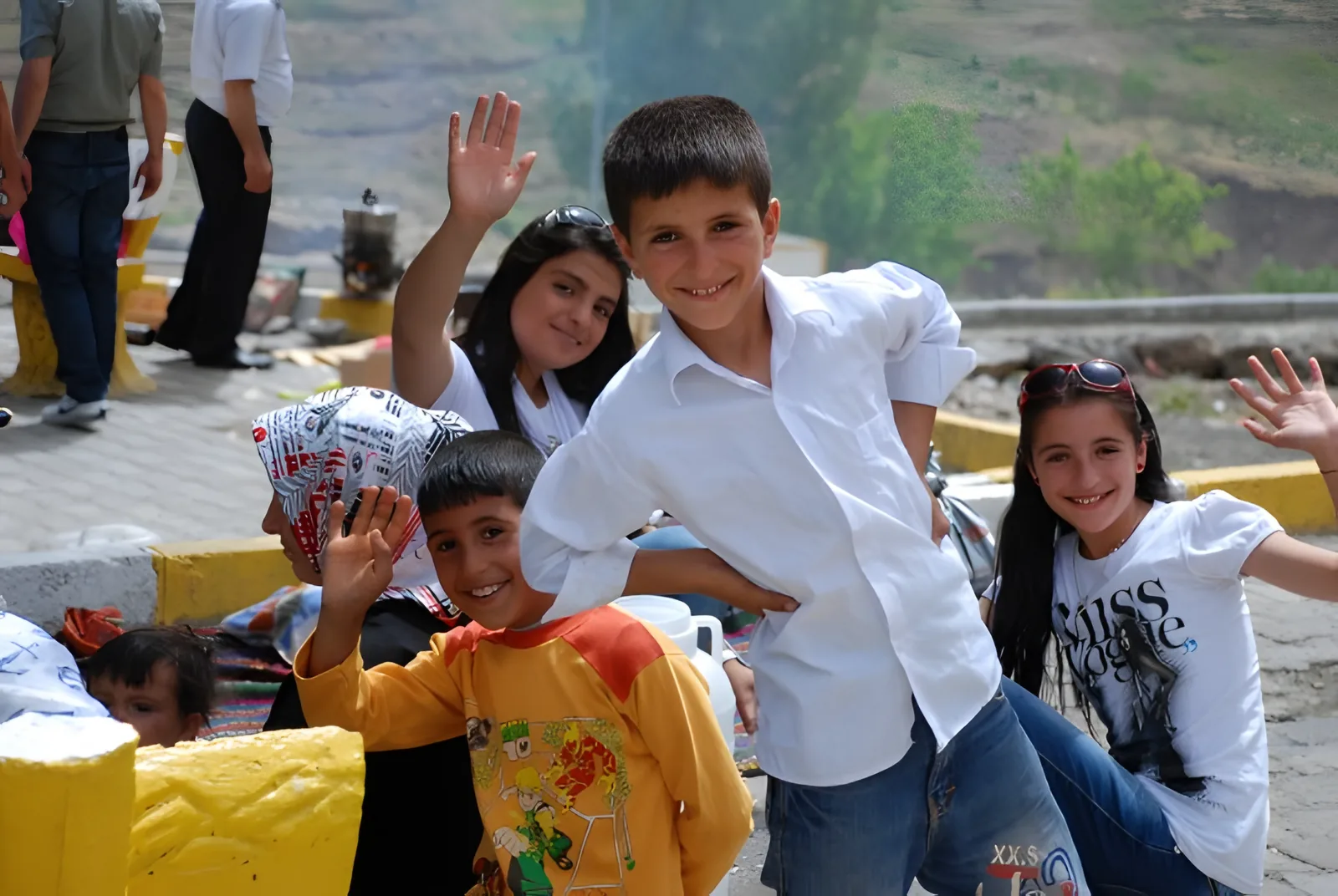
Everywhere we were welcome. Regardless of ethnicity – Kurds and Turks, age – old people and children, social role – shop assistants and policemen. People in the city and in the little villages are mostly open, smiling, warm. They communicate emotionally, cheerfully, easily.
They don’t care how we look or why we have come. “Where are you from? Oh-oo! Ukraina! Shevchenko (the footballer, not Taras :))) Klitschko boxing! Ukraina good!”
They boast of their culture, which they honour and support. They are happy to show you the sights.
In the streets you can pick cherries, lemons and oranges off the trees.
The desire to help
When we were trying to find the one outfitters’ centre in Antalya (what do holidaymakers need gas cylinders for?), the assistants in several shops invited us into the office part to “google” it, and drew the road in detail.
Once we needed to exchange dollars for lira on a Sunday (the banks closed, no bureaux de change at all), and we were told a way to pay in a supermarket and take the change in the national currency.
In the “Metro” market, where our card doesn’t work, the manager phoned a friend and wrote his “ID” on a slip of paper for us so that we could buy CDs.
In the wonderful little town of Foça, where the wind made it impossible to use the burner, they cooked us supper from our own food in a café – although officially it had closed an hour before.
Hiring a car
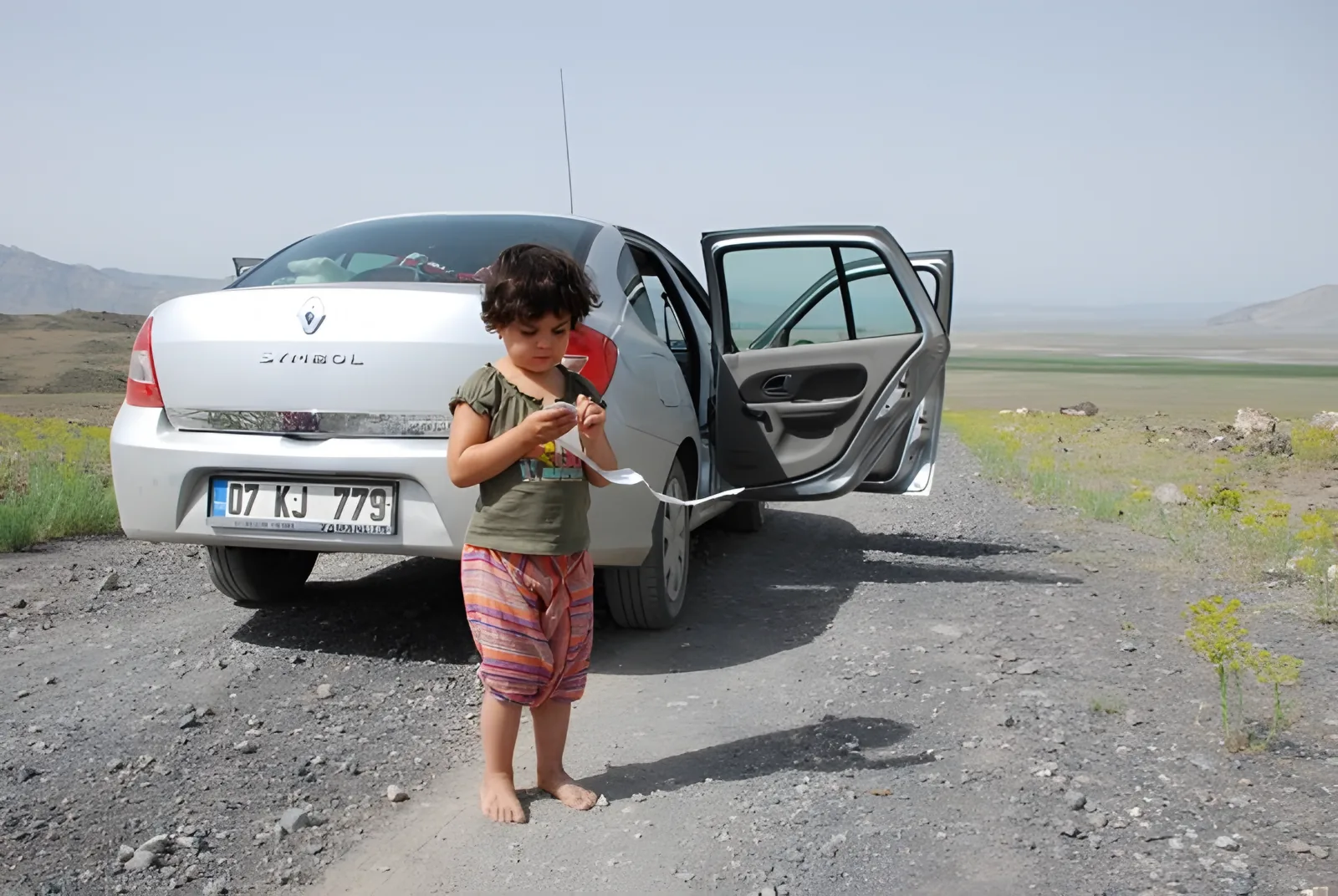
We took a 2009 Renault Symbol (with only 70,000 on the clock!) in perfect condition for 14 days for just 2600 UAH! (I would spend much more on repairing my own car after 5000 km) They included everything in the insurance: damage, accidents, theft, breakdowns. We left no deposit. After I filled in the order form on their website, they phoned back and confirmed that the car would be waiting for us at the appointed time. At the airport a Turkish fellow met us with a sign and led us to the car. He helped us pack the rucksacks and advised us on how to run it.
We returned the car battered by stones, with a dirty, greasy interior in which the children had eaten and made a lavish mess, four hours earlier than agreed. Nevertheless, an employee was already waiting for us, who asked: “Car is good?” We answered “very good”, and with a tear in our eyes said goodbye to our faithful silver steed. The Turk wished us a good flight and thanked us for not completely wrecking their car using the services of their company :))
3. Roads
Quality
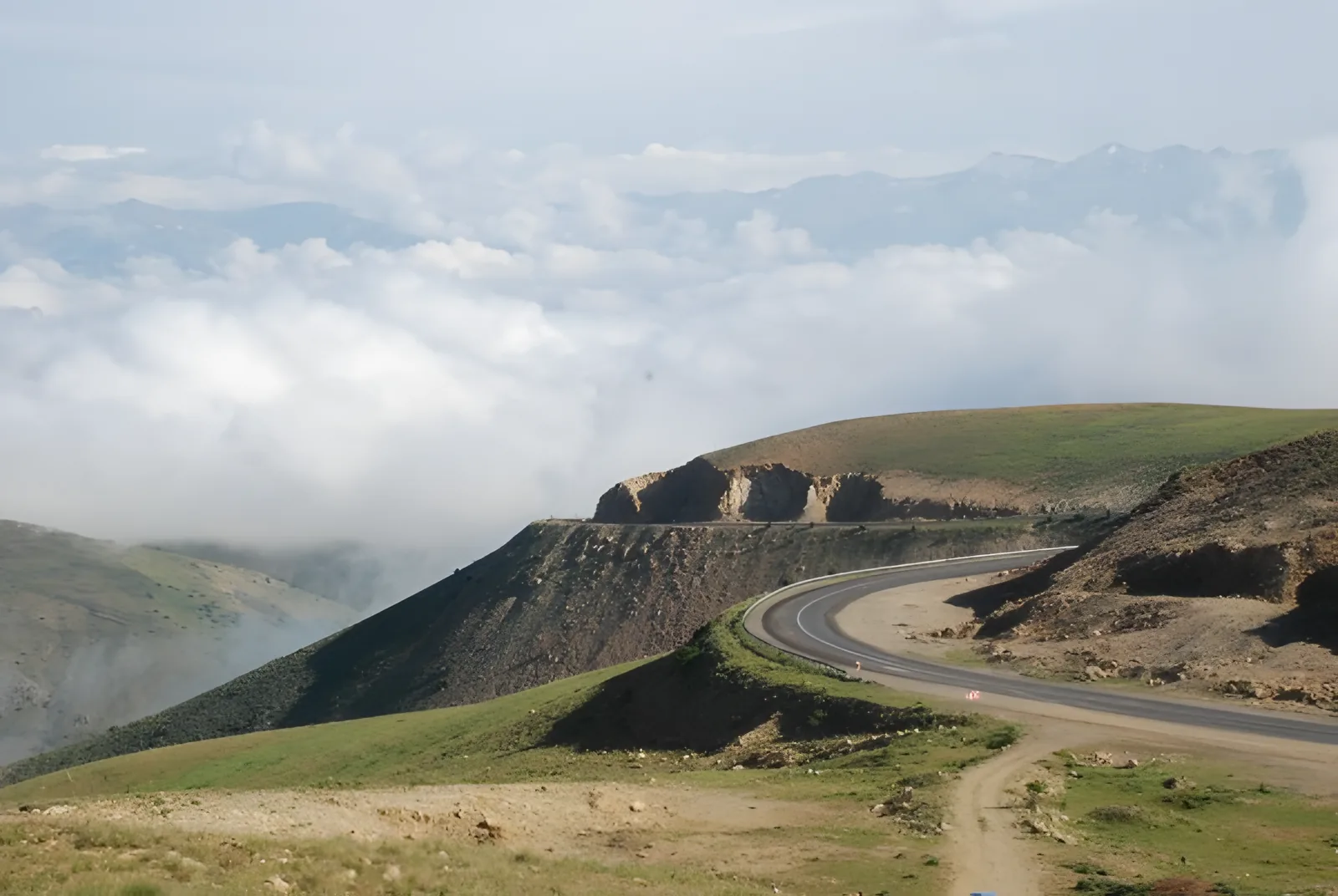
Turkish roads are magnificent! In remote villages there is at minimum two-lane asphalt – without potholes or bumps :))) Almost everywhere on ordinary highways there are four lanes, divided by either a ditch, or a barrier, or a lawn – note that we are not talking about resort towns. A wild field, hills and mountains – and a road with blossoming oleanders between the opposite lanes.
There are many different petrol stations. All of good quality – the European type. No queues at all. The rare cars are welcomed like honoured guests. Well, yes, petrol is expensive.
Repairs and construction
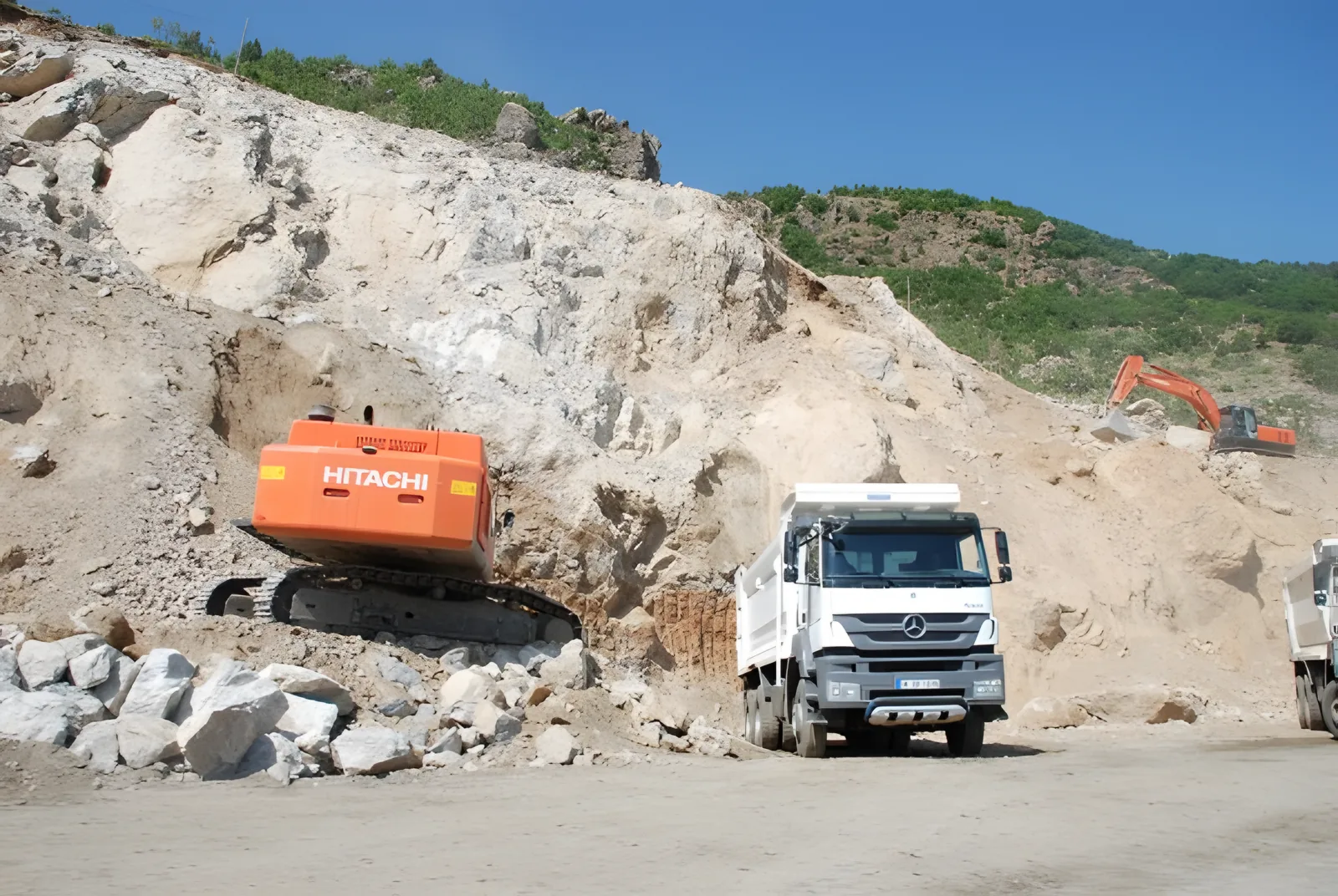
We drove almost 5,000 km around the perimeter of Turkey, now going deep into mountains and plains, now rolling out onto embankments. About every 20 km a team of road-builders is at work – repairers or layers, who knows. We got the impression that Turkey could be entered in the book of records for the amount of road-building machinery and human resources.
The markings are perfect. On dangerous stretches they warn well in advance and 3-5 times over. Everywhere there are cones, posts, signs. Solar-powered traffic lights are sure to be flashing. If a dump truck pulls out, or there is a landslide on the road, there are special people with flags and discs. Powerful machinery of every size is found on sheer cliffs, inspiring awe: it seems that an excavator or a rock crusher is about to fly off the 40-metre precipice that it is itself blasting.
We thought that the Turks are seriously preparing for the era of car tourism, since (judging from watching the laying of roads, bridges, tunnels) in a few years you will be able to cover up to 800 km a day here with ease and reach any wild place in an ordinary saloon car.
Transport
The Turks prefer minivans of French and Italian make. Renaults, Citroëns, Peugeots, Fiats. Almost no Japanese, few German ones. No Chinese, Russian or Ukrainian cars at all. Very few Turkish ones. Among old cars in remote villages Renault comes first – the kind we remember from films with Gérard Depardieu and Alain Delon.
On the highways they drive slowly (90 is 90 – and we were flying along at 140) and by the rules, while in the cities they drive fast (sometimes 100 on an unfenced carriageway) and with no rules. When overtaking they always flash their full beams. At traffic lights, as soon as the green comes on, they start hooting – in case someone is distracted :)) They park wherever they like, there are no tow trucks. There are often difficulties getting through the incredibly steep and narrow streets without pavements in big cities.
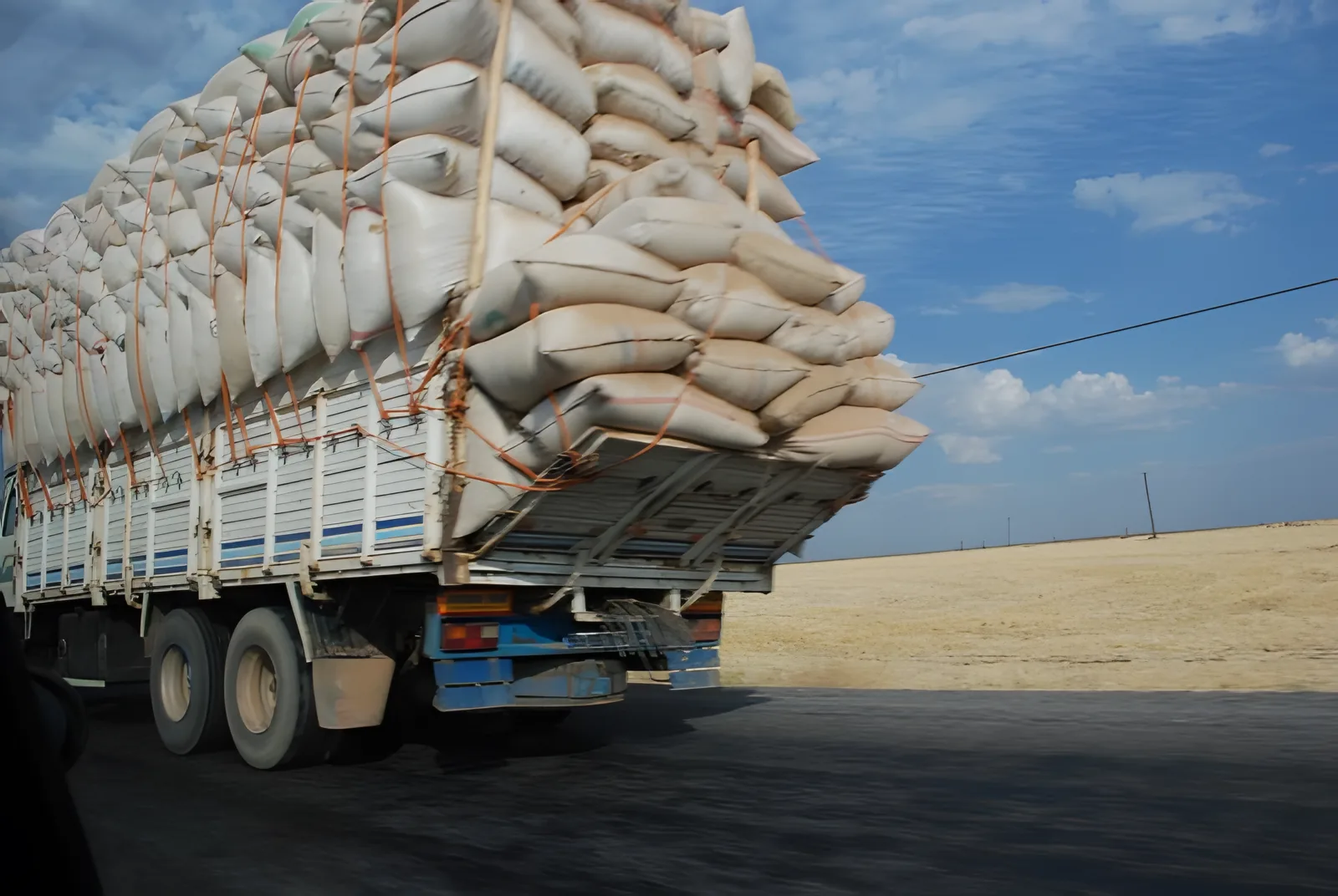
There are a great many lorries, they are everywhere and heavily overloaded. On the verges there are burst tyres every now and then. Tractors are met with as a kind of rural passenger transport. Bicycles are entirely absent. Nobody has heard of bikers. The old men in mountain villages prefer mopeds.
The “traffic cops” – Trafic Policy
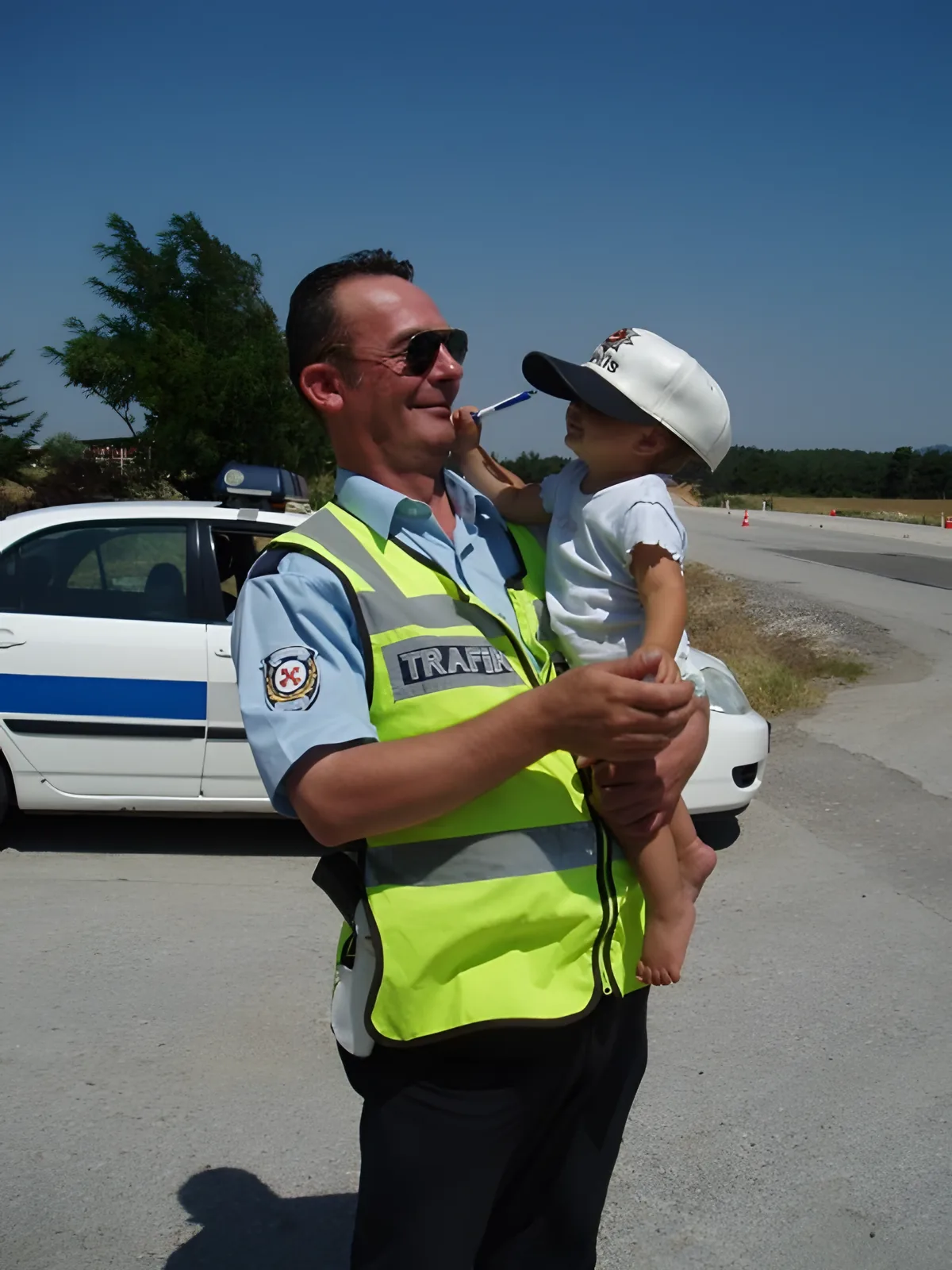
We drove 4,000 km without a single traffic policeman! The first and last time we were stopped (I thought for speeding), they checked the documents, played with the children (the Turks adore them) and wished us a good journey. Once more two traffic policemen waved red flags frantically at us, but we took it for a show welcoming racers and sped past.
There are often signs saying “radar”, and signs often flash their LEDs when we break the rules. And nothing happens!
4. Culture
Mosques and prayers
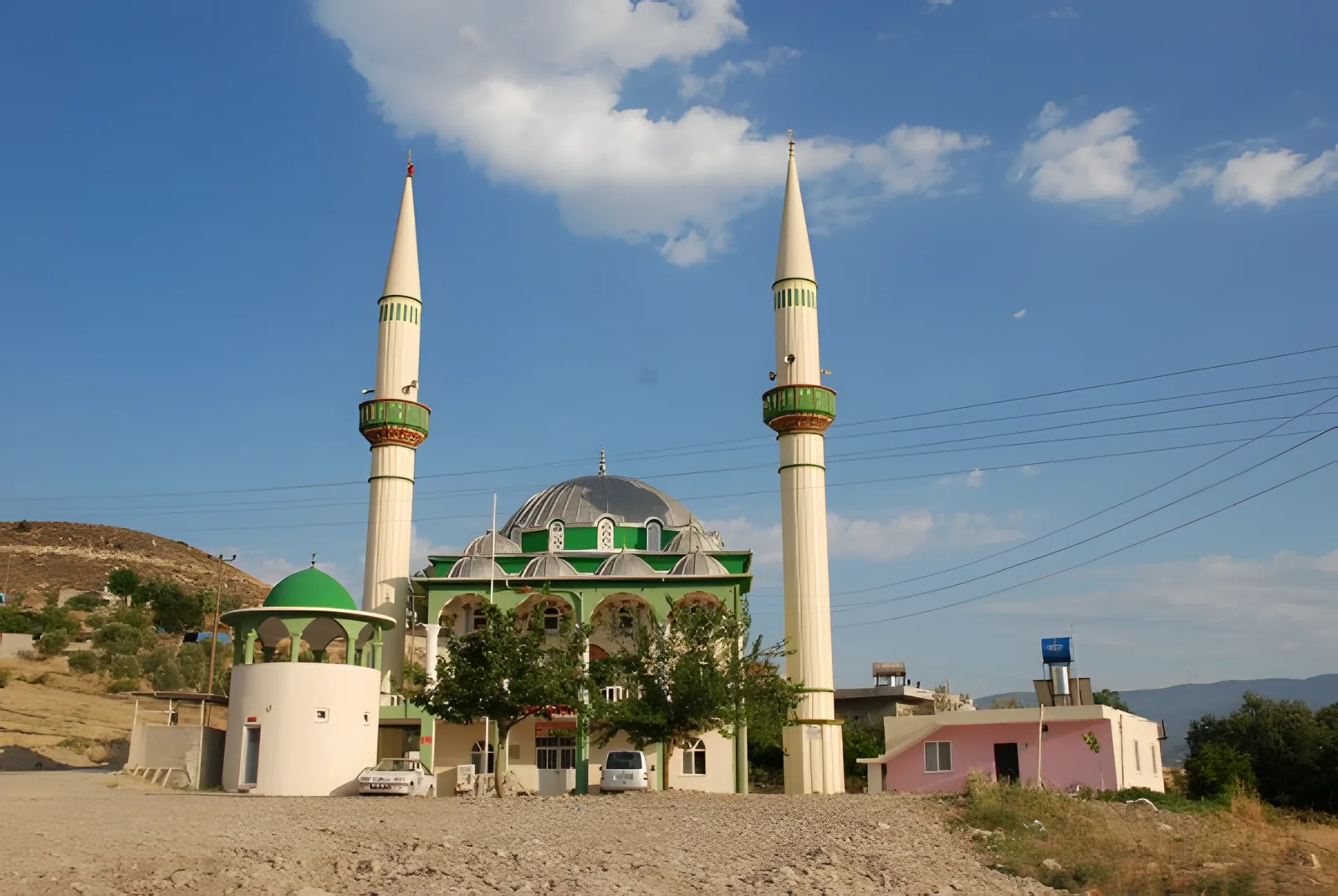
In every quarter of the city there is its own mosque. In every village, one or more. They differ in the number of stone rockets of the “Vostok” type beside the round building, in colour (white, yellow, green, blue), in the number of storeys and hemispherical domes.
In the mosques there is a seamless handmade carpet over the whole floor (sometimes up to 600 square metres) – without seams!!! And emptiness, and silence. There are no people.
On the rocket-minarets there are loudspeakers pointing to the 4 points of the compass. From them several times a day the hoarse voice of a mullah chanting the prayer rasps out. The Turks don’t react – despite the ritual kneeling and the unconditional cessation of activity. In Trabzon a bazaar is built into a mosque, and during the prayer the traders don’t turn a hair – unlike Ukrainians, who cross themselves at the sight of a church or a statue and run at the sound of a bell to the nearest temple to pray.
Ignorance of languages
In Ukraine, “experts” assured us that in Turkey almost everyone speaks Russian and has English. That applies only to hotels, the Istanbul bazaar and the garish tourist trappings of the Mediterranean bays. That is, to 5% of Turkey.
The Turks not only don’t speak – they don’t understand English at all!!! Still less Russian. No wonder: an English-language culture is absent as a fact: TV, radio, advertising, road signs, labels on food all support only “Turkish”.
We communicated very easily in sign language and emotional exclamations. And speech didn’t get in the way of understanding each other. For example, they explain the road to us, or treat us to tea. Or tell us about their family – everything is clear, and the words, sounding unfamiliar, soon drop out of attention.
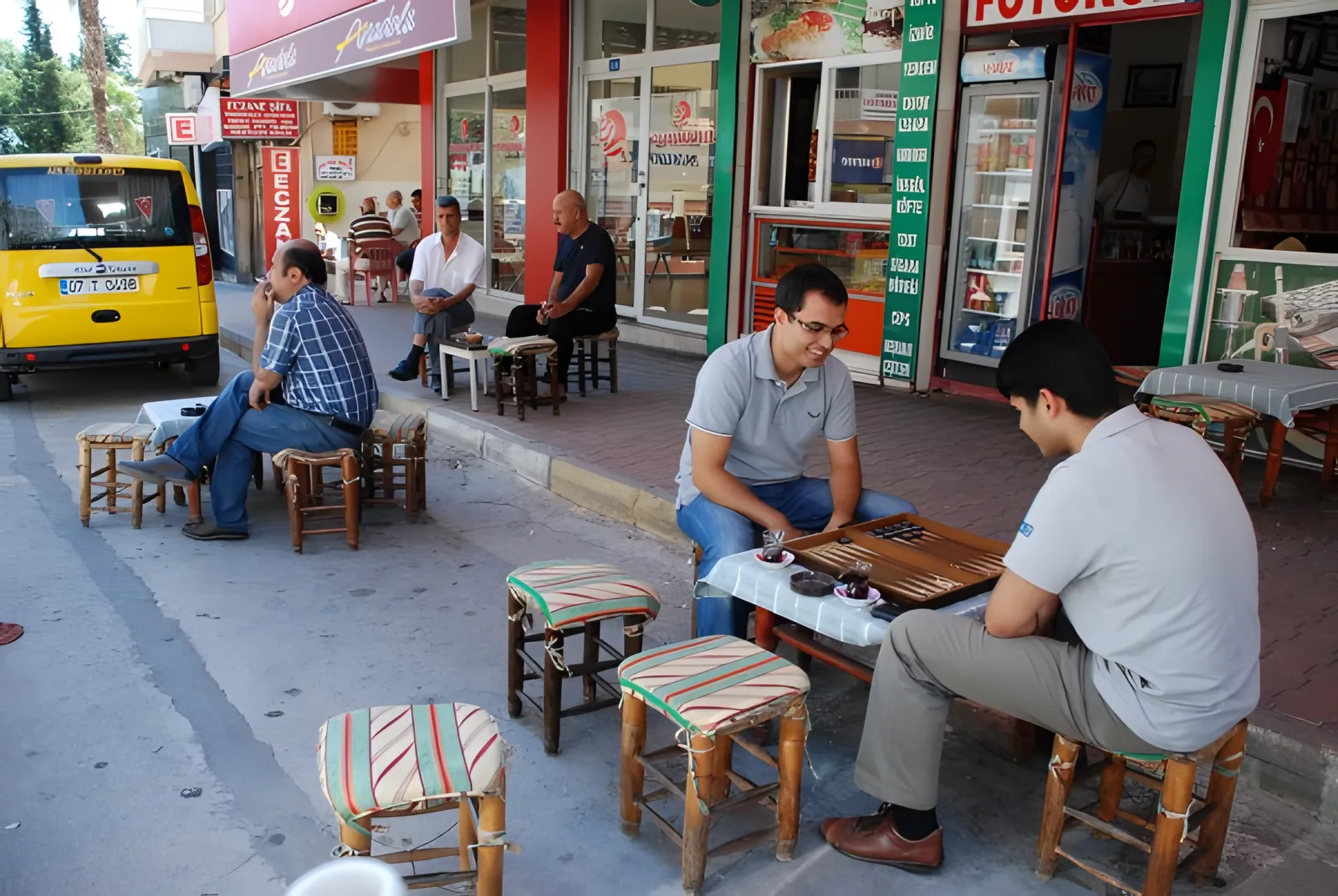
Façades and the backwoods
The Turks cover their façades with mosaic. At the very least, they paint them brightly and decorate them with drawings. The side walls and the backs of buildings, even in big cities, look like a slum.
There are a great many new-builds in which nobody lives. On our way we came across a whole city of uninhabited nine-storey blocks, a multitude of dacha settlements made to a carbon-copy pattern, matrices of suburban holiday cottages, standard villas – and all of it stands empty.
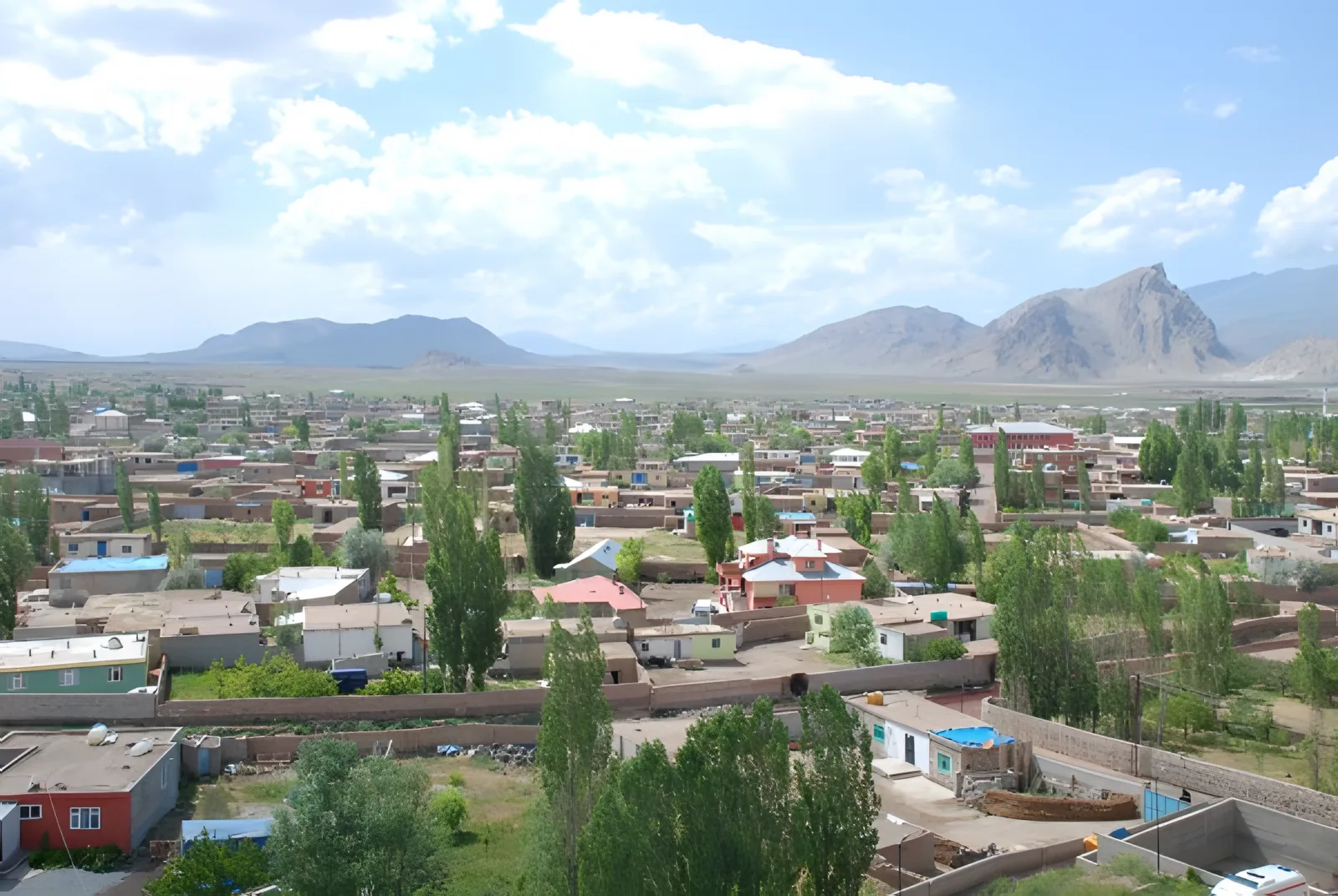
But in non-tourist Turkey there is an abundance of adobe huts, single-storey houses built of stones, hovels of sandstone. Building yourself a house in a mountain village is simple and cheap. Often such houses have stood for a hundred years and need major repairs – but the residents are interested in neither looks nor solidity. They are ready to sleep and eat on carpets, and to spend their active time out in the street in the company of friends.
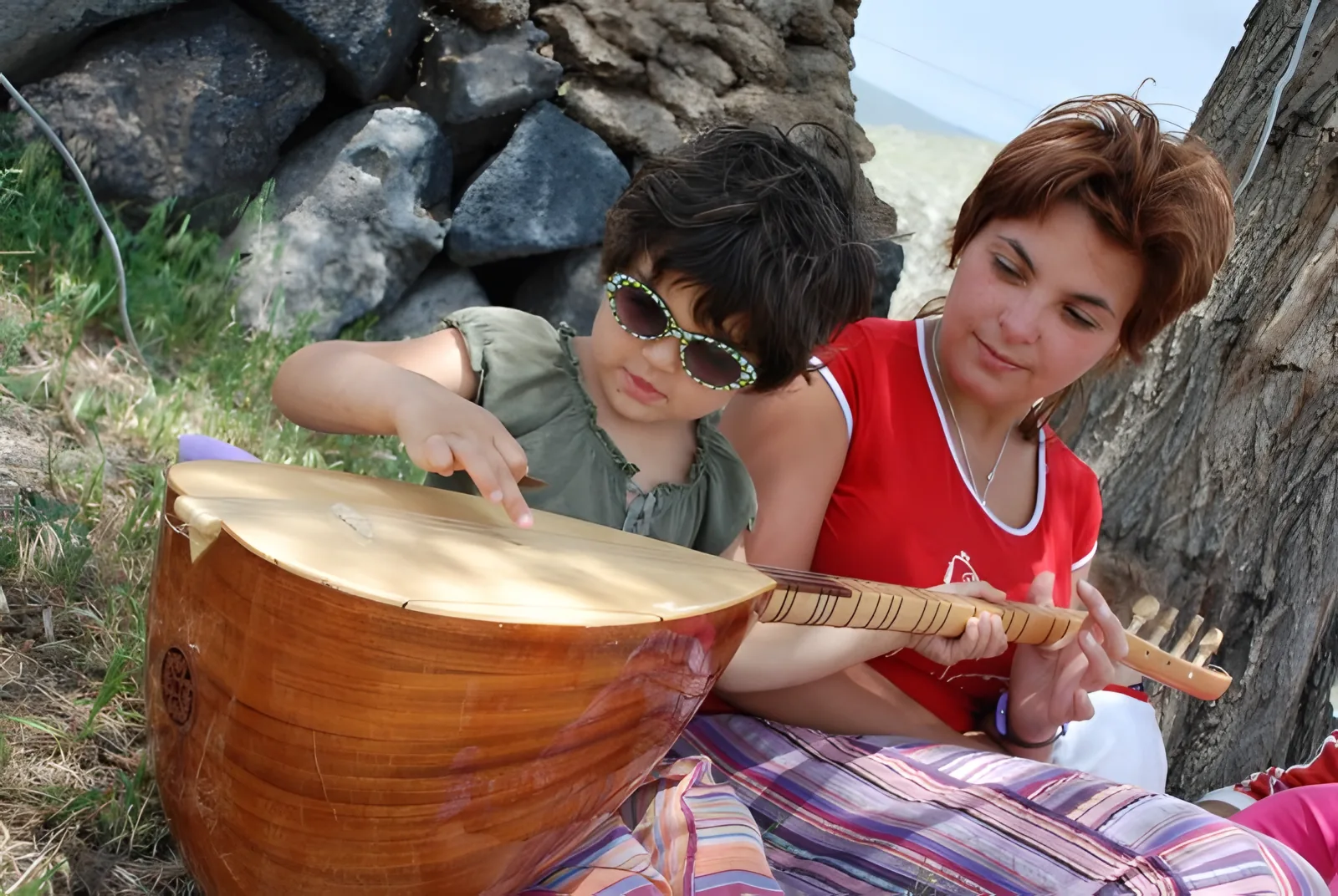
Music
It is terrible! All Turkish, uniform, doleful. Even if there is a rhythm, it doesn’t get you going – it’s the wrong frequency. We had to drive round half the country to find a supermarket with decent CDs for the car stereo. Listening to the radio is impossible! The three discs that we bought became the hits of the journey – especially the lively Spanish Con Mucho Gusto, which translates as “with pleasure!”
Trade
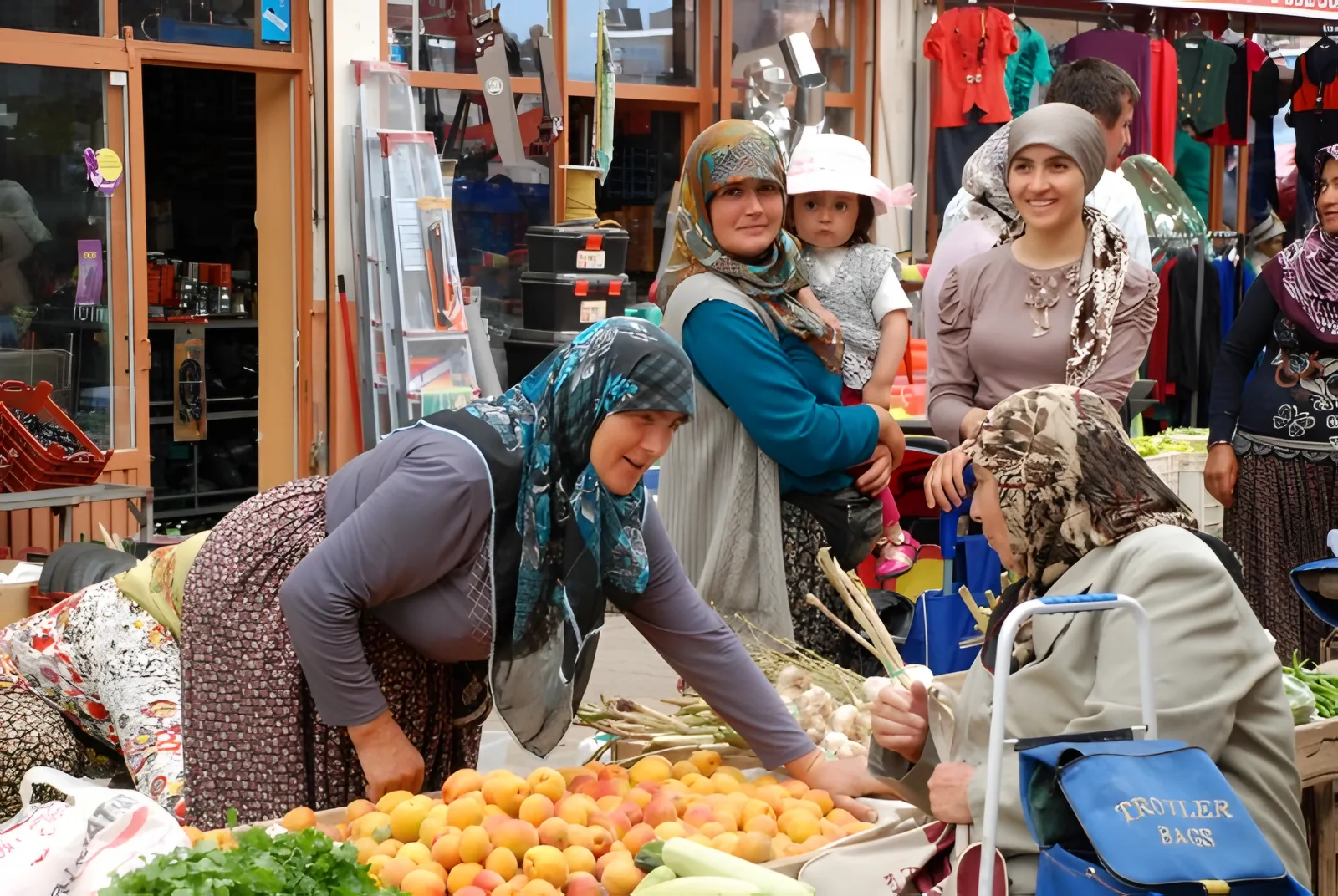
In big cities there are huge bazaars. The impression is that everybody is selling. And nobody is buying anything. The stalls are bursting, there is an overabundance of goods.
Often – especially in the resort zone – souvenirs styled to local colour are made in China. In tourist places you come across authentic little things such as gourds painted like matryoshka dolls.
In supermarkets in the non-tourist areas you can see some Europeanisation, but the products are often taken from local resources. In small towns there is an abundance of cheeses, olives, sherbet, nuts – straight from kitchen gardens, greenhouses and fields. Tea is sold in gigantic packs of not less than 1 kg. Ground coffee is a rarity, as, for that matter, is instant.
In mountain villages it is easy to buy cheese, lavash, olives, ayran. They will put you on a moped, take you to the owners, and let you taste many kinds.
Bread is baked and sold in the same room, only white bread, light, fluffy. It is broken into pieces, hollows are made and vegetables, meat, cheese are packed in. Or it is eaten crust and all. Like a spoon (by the way, they eat with their hands, sitting on carpets).
Turkey lies at the crossing of modern and ancient caravan routes. Hence the incredible number of TIR lorries, ships and carts. The consequence is good, passable roads that take into account the movement of transport of every sort, ferries and bridges.
Men and women
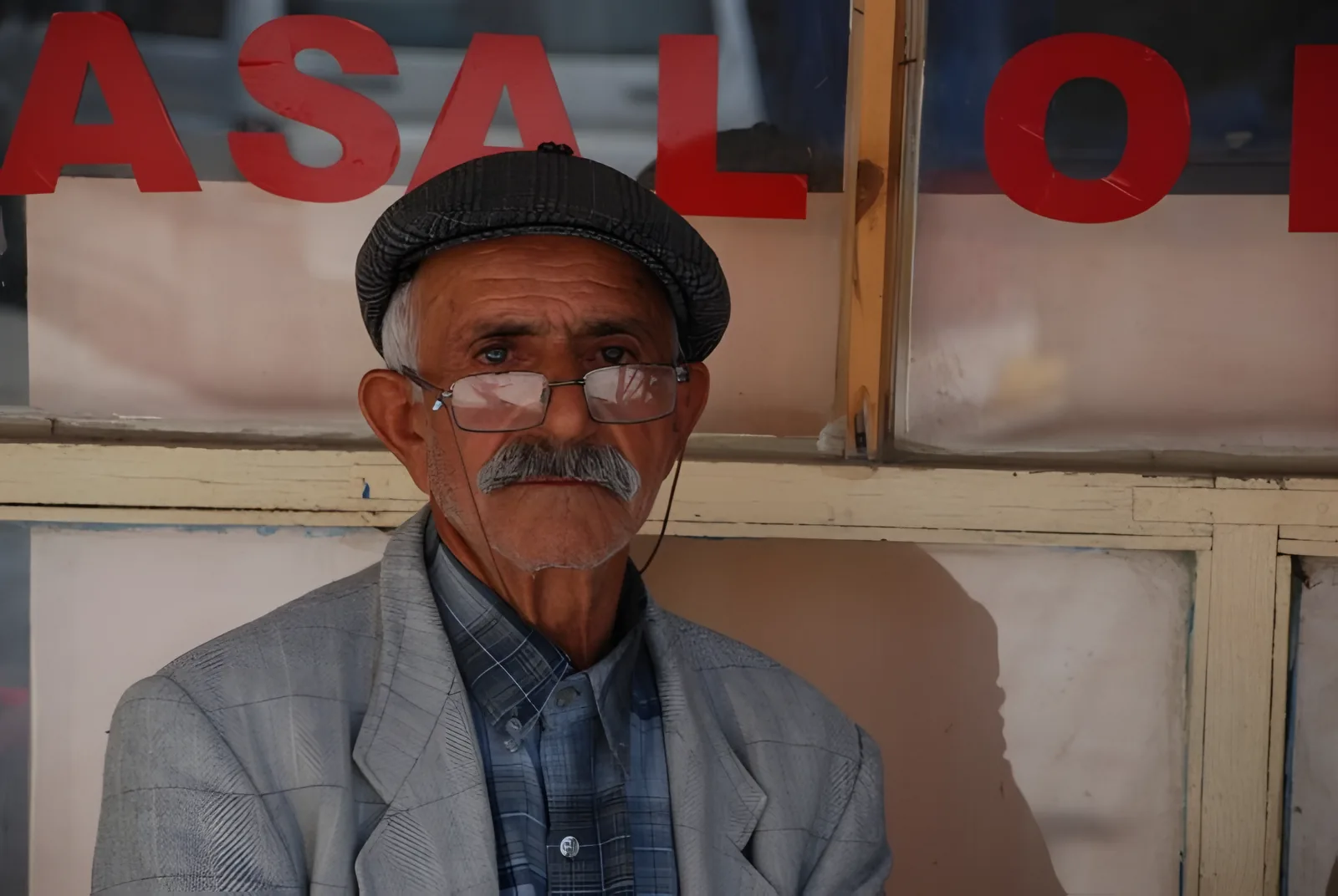
A man is called a “Bay”. The bays work in construction, services and the business world – everywhere that there is social activity. In the evenings the bays sit in eating-houses and drink tea. They discuss the events of the day, settle matters. Slowly, sedately, with pleasure. They go about in Aladdin trousers. They smoke constantly.
Women are not to be seen. If a woman appears in the street, she is in trousers and a raincoat, a headscarf or a chador. A woman is called a “Bayan”. The bayans don’t especially hide their faces, often smoke and dress inconspicuously – or, on the contrary, hideously gaudily. They practically wear no jewellery and put on make-up rarely but thickly.
Young people in the resort towns try to pass for Europe. It looks ridiculous. In the rest of the country, young people look up to the respectable bays and bayans and the old men.
The body is not bared. People bathe in their clothes. In the hamam – the bathhouse – all the men are in long trunks and the women in shifts. By the way, the baths and toilets for men and for women are placed apart in space.
Everybody loves children. Children’s homes don’t exist. Children are everywhere with adults – outside schools and kindergartens. Mostly with grandmothers and grandfathers. They have lots of children, and will gladly take into the family a child whose parents have, for example, died. Ours were hugged, spoiled, carried about in arms and fed treats.
5. Nature
Landscapes
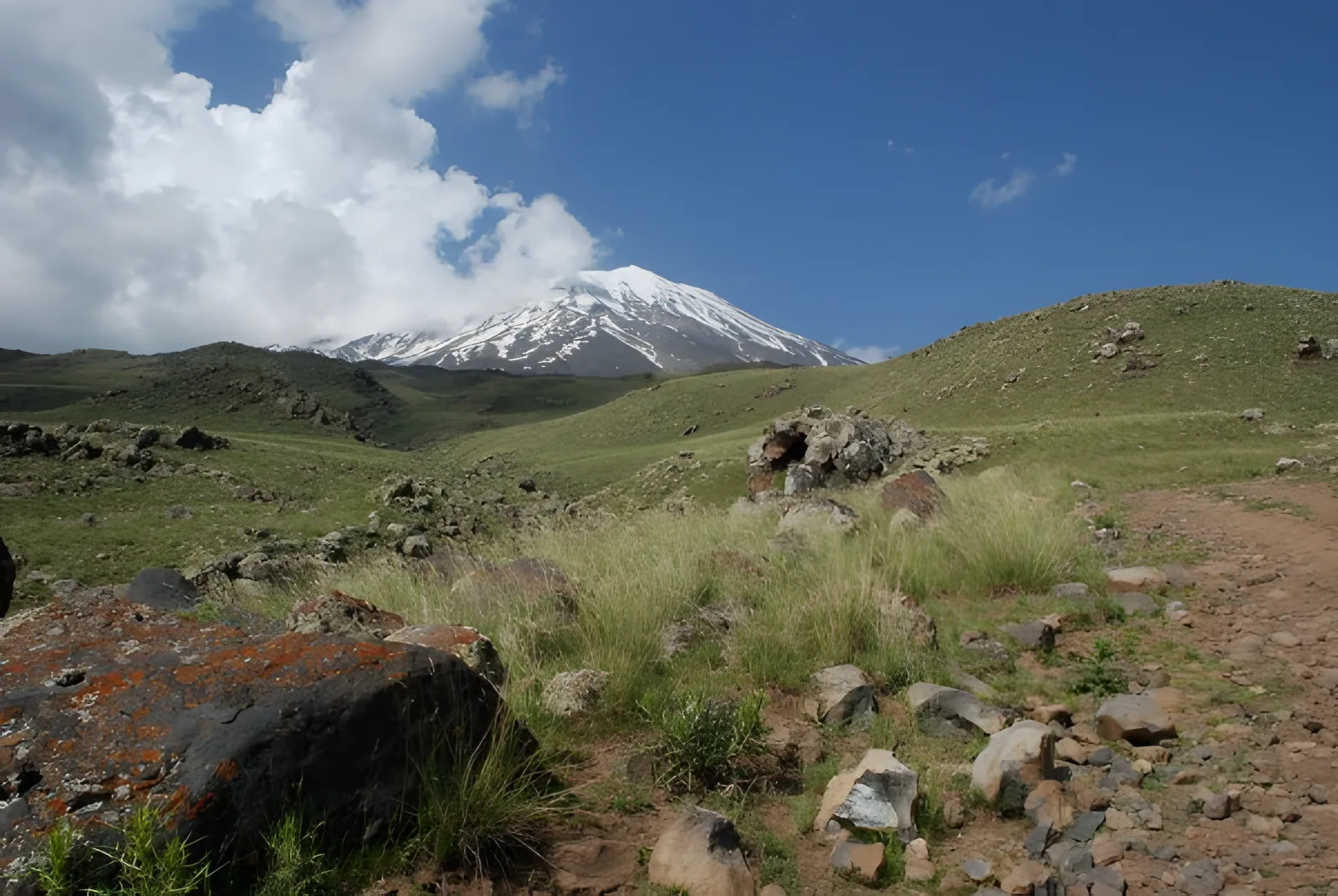
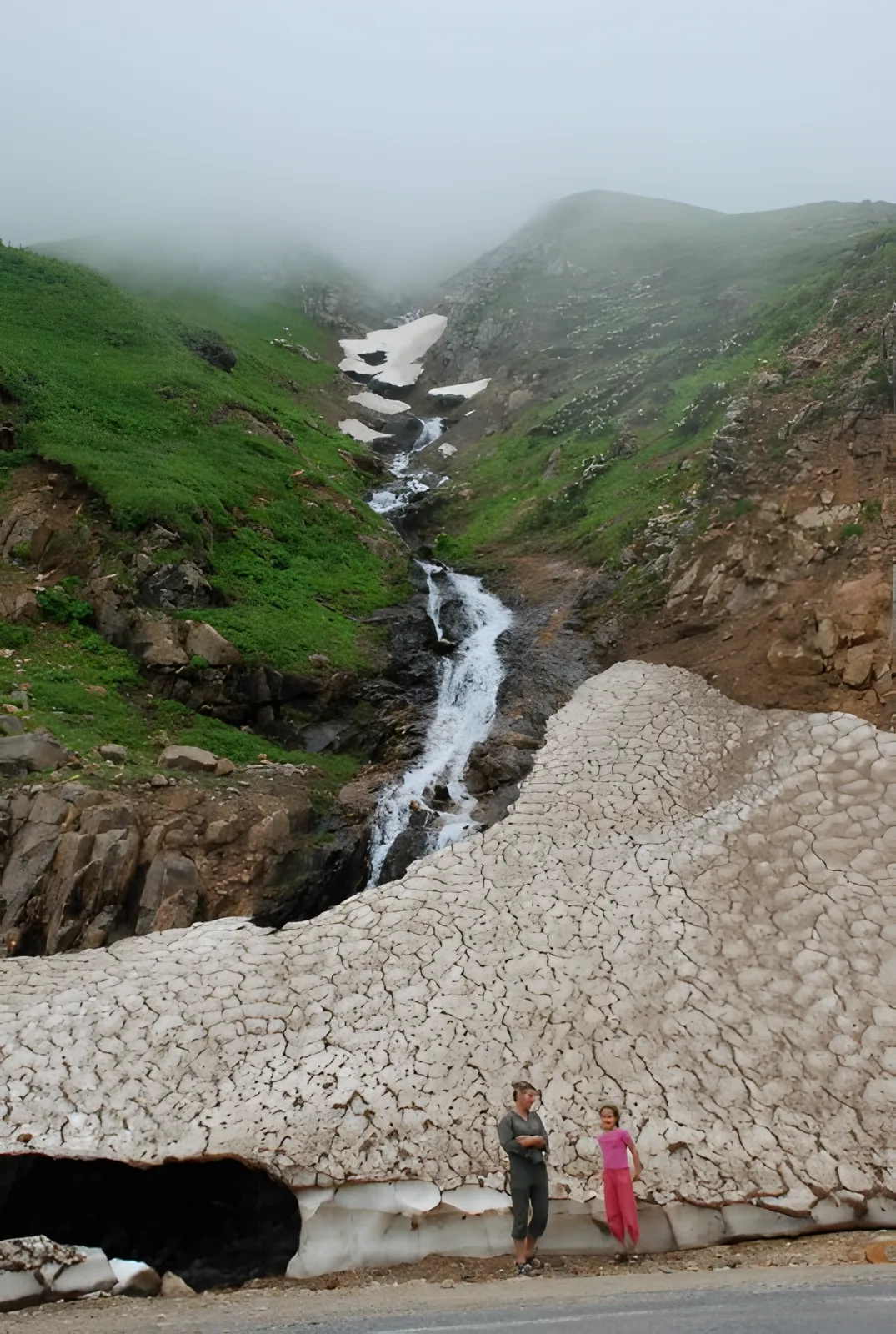
In contrast to the advertising broadcast by billboards and the idiot box, Turkey turned out to be a country of mountain ranges. There are more than twenty of them. Height not less than 2500 m. Most of the summits are three-thousanders. The mountains are various and beautiful, steep and gentle, rocky and wooded, with snowfields and waterfalls, mists and clear sunrises.
Ararat and Pamukkale are especially impressive. The passes, rivers and cave cities are fine. There is nothing to convey in words here – better to look and soak it in. Even if only from photographs :))
In eastern Anatolia it is practically the Caucasus, reminiscent of the Elbrus region. In the north – the mountainous Crimea.
At every step there are sights. Now Greek culture, now viewpoints. And on every high place – the red Turkish flag (as in the USSR, only without the hammer – the sickle and the star are there).
Climate
It is not true that it is hot in Turkey. It is so only on the Mediterranean coast and in the lowland part. Often in the mountains the temperature is 15-25 (when on the coast it is 40-50). In the foothills of Ararat – rain, winds, dust storms. At altitude, of course, it is not summer at all :))) Although the down jacket wasn’t needed (and we didn’t take it!)
The one who opens the way – Ezra Tngoo